How to use AI for authentic LinkedIn engagement?
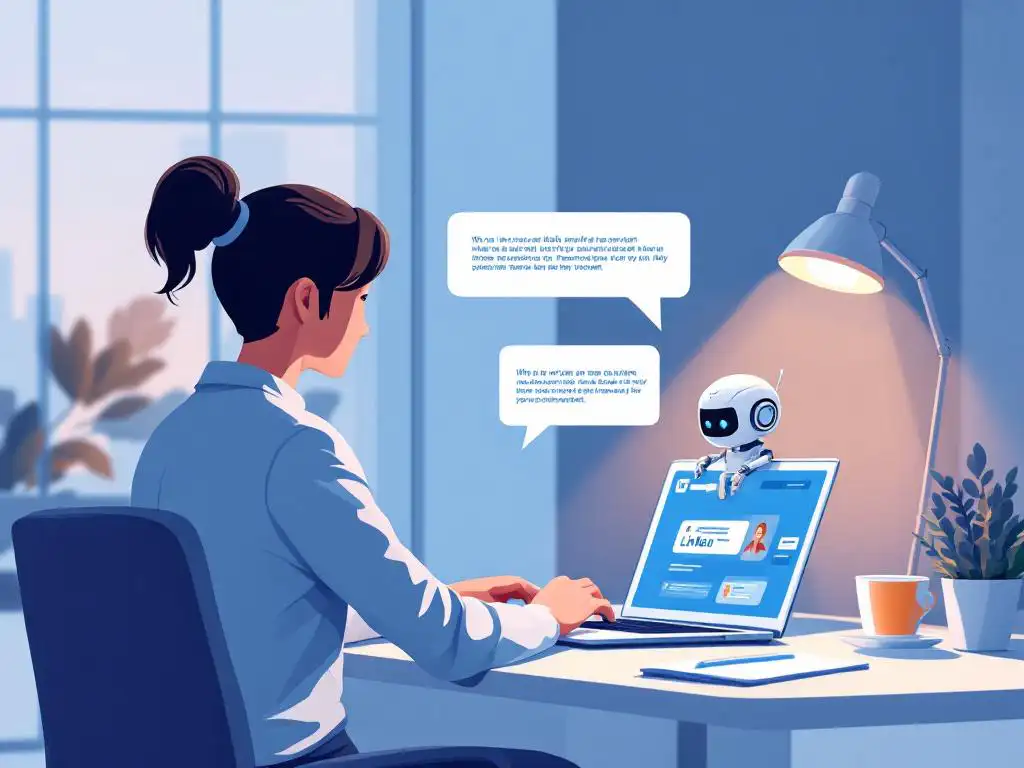
AI sales automation transforms LinkedIn engagement by maintaining authentic connections while scaling outreach efforts efficiently. Advanced AI personalises messages using behavioural data and contextual analysis, creating genuine interactions that build trust before direct sales approaches. Success depends on avoiding generic messaging, measuring relationship-quality metrics, and implementing strategic automation that preserves human authenticity throughout the sales process.
What makes LinkedIn engagement truly authentic in the age of AI?
Authentic AI-driven LinkedIn engagement balances automation efficiency with genuine human connection by focusing on relationship-building rather than volume-based outreach. The key lies in using AI to enhance rather than replace human authenticity, creating meaningful interactions that prospects perceive as natural and valuable.
The foundation of authentic AI engagement rests on strategic timing and relevance. Rather than bombarding prospects with immediate sales pitches, effective AI systems analyse profile activity, recent posts, and engagement patterns to determine optimal interaction moments. This approach mirrors natural networking behaviour, where professionals engage with content and build familiarity before initiating business conversations.
Trust-building elements include consistent engagement with prospects' content through thoughtful likes and comments on industry-relevant posts. AI systems can maintain visibility across extensive networks while avoiding controversial content that might damage professional positioning. This systematic approach creates a parasocial effect, where prospects become familiar with your brand through regular, valuable interactions before any direct outreach occurs.
What separates authentic AI engagement from generic mass messaging is contextual awareness and the depth of personalisation. Advanced systems reference specific details from prospects' profiles, recent activities, or shared connections to create conversations that feel naturally occurring rather than automated. The technology focuses on building genuine professional relationships that translate into long-term business value.
How does AI actually personalise LinkedIn messages without sounding robotic?
AI personalisation works by analysing multiple data points from LinkedIn profiles, recent activity, and engagement patterns to craft contextually relevant messages that reference specific details meaningful to each prospect. Advanced systems use behavioural pattern recognition to determine optimal messaging approaches based on industry, seniority level, and communication preferences.
The technology behind human-like communication involves sophisticated data analysis that goes beyond basic profile scraping. AI systems examine recent posts, shared connections, company updates, and engagement history to identify conversation starters that feel natural and relevant. This includes referencing specific timeframes, circumstances, or achievements mentioned in prospects' recent activity.
Contextual message crafting involves understanding the prospect's current business situation, challenges, and interests based on their LinkedIn behaviour. AI analyses posting patterns, content engagement, and professional updates to determine appropriate messaging tone and topics. The system adapts communication style based on factors like industry norms, seniority level, and company-culture indicators visible in the prospect's profile.
Response-classification technology categorises incoming messages into distinct types such as meeting requests, information requests, follow-up scheduling, or referral opportunities. This enables the AI to provide contextually appropriate responses that maintain conversational flow rather than delivering robotic, one-size-fits-all replies. The system references specific details from the prospect's previous messages to ensure authentic dialogue continuation.
What are the biggest mistakes people make with AI LinkedIn automation?
The most damaging mistake is treating AI automation as a volume-focused tool rather than a relationship-building system, leading to generic messaging that damages professional reputation and yields poor response rates. Over-automation without human oversight creates robotic interactions that prospects immediately recognise as inauthentic mass outreach.
Generic messaging at scale represents a fundamental misunderstanding of LinkedIn's relationship-driven environment. Many users configure AI systems to send identical or barely personalised messages to hundreds of prospects, ignoring individual contexts, industries, or professional situations. This approach not only fails to generate meaningful responses but actively harms brand perception among potential customers.
Poor targeting strategies waste resources on unqualified prospects who lack decision-making authority or budget. Effective AI systems should incorporate multi-dimensional lead scoring that evaluates seniority levels, industry experience, company size, and role-clarity indicators. Without proper qualification thresholds, automation efforts focus on quantity rather than strategic relationship development with genuine opportunities.
Compliance violations occur when users ignore LinkedIn's terms of service or implement overly aggressive automation practices. This includes excessive daily connection requests, inappropriate content engagement, or automated actions that exceed platform guidelines. Such mistakes risk account restrictions and damage long-term LinkedIn presence.
Another critical error involves neglecting conversation adaptation and response management. Many automation users fail to configure systems for handling different types of prospect responses, leading to inappropriate automated replies that break conversational flow and reveal the artificial nature of the interaction.
How do you measure success with AI-driven LinkedIn engagement?
Success measurement for AI-driven LinkedIn engagement extends beyond basic metrics like connection acceptance rates to include relationship-quality indicators, conversion tracking through the sales funnel, and long-term business value generation. Effective measurement focuses on meaningful interactions that progress prospects toward purchasing decisions.
Response rates provide initial insight into message effectiveness, but quality metrics matter more than quantity. Track the percentage of responses that lead to meaningful conversations, meeting requests, or information exchanges rather than simple acknowledgements. Conversation-progression rates indicate whether your AI personalisation creates genuine interest in your offerings.
Profile-visit increases demonstrate enhanced visibility within target networks, while follower-growth acceleration shows improved brand recognition. These metrics indicate that your systematic engagement strategy successfully builds familiarity and interest among prospects before direct outreach efforts.
Conversion tracking through the sales funnel requires monitoring how LinkedIn-generated leads progress through qualification stages, meetings scheduled, proposals submitted, and deals closed. Advanced AI systems provide built-in CRM functionality with customisable pipeline stages and automated status updates based on conversation outcomes.
Long-term relationship-value measurement includes dormant-relationship reactivation, referral generation, and repeat business from LinkedIn-sourced connections. These metrics demonstrate the sustainable business-development potential of authentic AI-driven engagement strategies.
ROI measurement encompasses time savings from automation, cost per qualified lead compared with traditional methods, and revenue attribution from LinkedIn-sourced opportunities. Consider both direct sales results and indirect benefits such as enhanced brand visibility and industry positioning.
How Famelab helps with authentic AI LinkedIn engagement
Famelab transforms LinkedIn outreach through our proprietary parasocial selling methodology, where AI agents strategically build familiarity and trust with prospects before direct engagement. Our platform combines sophisticated artificial intelligence with proven sales psychology to create authentic relationships that drive sustainable business growth.
Our intelligent engagement system maintains visibility across extensive networks through strategic daily interaction distribution, avoiding political content while prioritising sales-funnel development. Key features include:
- Advanced lead scoring across multiple dimensions including seniority, industry experience, and budget authority
- Response-classification technology that categorises incoming messages for appropriate automated or manual handling
- Contextual message crafting using recent-post analysis and behavioural pattern recognition
- Built-in CRM functionality with customisable pipeline stages and automated progression tracking
- Community-driven engagement connecting hundreds of members for enhanced social proof
Our approach enables small teams to achieve large-department results through AI amplification while preserving relationship authenticity. We focus on qualified network building in the thousands while maintaining genuine professional connections that translate into measurable business outcomes.
Ready to transform your LinkedIn engagement strategy? Contact us to discover how our AI-driven automation can build authentic relationships at scale, or visit our platform to explore our comprehensive LinkedIn lead-generation solutions.
Frequently asked questions
How long does it typically take to see results from AI LinkedIn automation?
Most users begin seeing increased profile visits and connection acceptances within 2-3 weeks of implementing AI automation. However, meaningful conversions and qualified leads typically emerge after 4-6 weeks once the parasocial relationship-building effect takes hold. The key is maintaining consistent engagement while allowing prospects time to become familiar with your brand through regular, valuable interactions.
Can LinkedIn detect and penalize AI automation tools?
LinkedIn can detect poorly implemented automation that violates their terms of service, such as excessive daily actions or obvious bot behavior. However, sophisticated AI systems that mimic natural human behavior patterns, respect daily limits, and maintain authentic engagement typically operate within acceptable parameters. The key is choosing automation tools that prioritize compliance and relationship-building over aggressive volume tactics.
What's the optimal number of daily actions for AI LinkedIn automation?
Safe automation practices typically involve 20-30 connection requests, 50-80 profile views, and 15-25 content engagements per day, distributed naturally throughout business hours. These limits prevent triggering LinkedIn's spam detection while maintaining consistent visibility. Advanced AI systems automatically adjust these numbers based on your account age, activity history, and response rates to optimize performance while staying compliant.
How do you handle prospects who respond negatively to automated outreach?
Negative responses should trigger immediate manual intervention to preserve your professional reputation. Configure your AI system to flag hostile or unsubscribe requests for personal handling, then respond with genuine apologies and immediate removal from all automation sequences. Use these interactions as learning opportunities to refine your targeting criteria and messaging approach to avoid similar reactions in the future.
What industries or roles work best with AI LinkedIn automation?
B2B service providers, consultants, software vendors, and professional services firms typically see the strongest results from AI LinkedIn automation. Decision-makers in mid-market companies (100-1000 employees) often respond well to personalized outreach, while enterprise executives require more sophisticated, relationship-focused approaches. Industries with active LinkedIn cultures like technology, marketing, and finance generally yield higher engagement rates.
How do you integrate AI LinkedIn automation with existing CRM systems?
Most advanced AI LinkedIn tools offer native integrations with popular CRMs like Salesforce, HubSpot, and Pipedrive through APIs or Zapier connections. This enables automatic lead creation, activity logging, and pipeline progression tracking. Set up automated workflows that sync LinkedIn interactions with your existing sales processes, ensuring no prospects fall through the cracks and maintaining unified customer data across platforms.
What's the difference between AI LinkedIn automation and traditional social selling?
Traditional social selling relies on manual relationship-building and content engagement, limiting scalability but ensuring complete authenticity. AI automation amplifies these efforts by maintaining systematic engagement across hundreds of prospects while preserving personalization and relationship focus. The key advantage is achieving enterprise-level outreach capacity with small team resources, while the challenge lies in maintaining genuine human connection throughout the automated process.