How to scale LinkedIn lead generation across multiple sales teams?
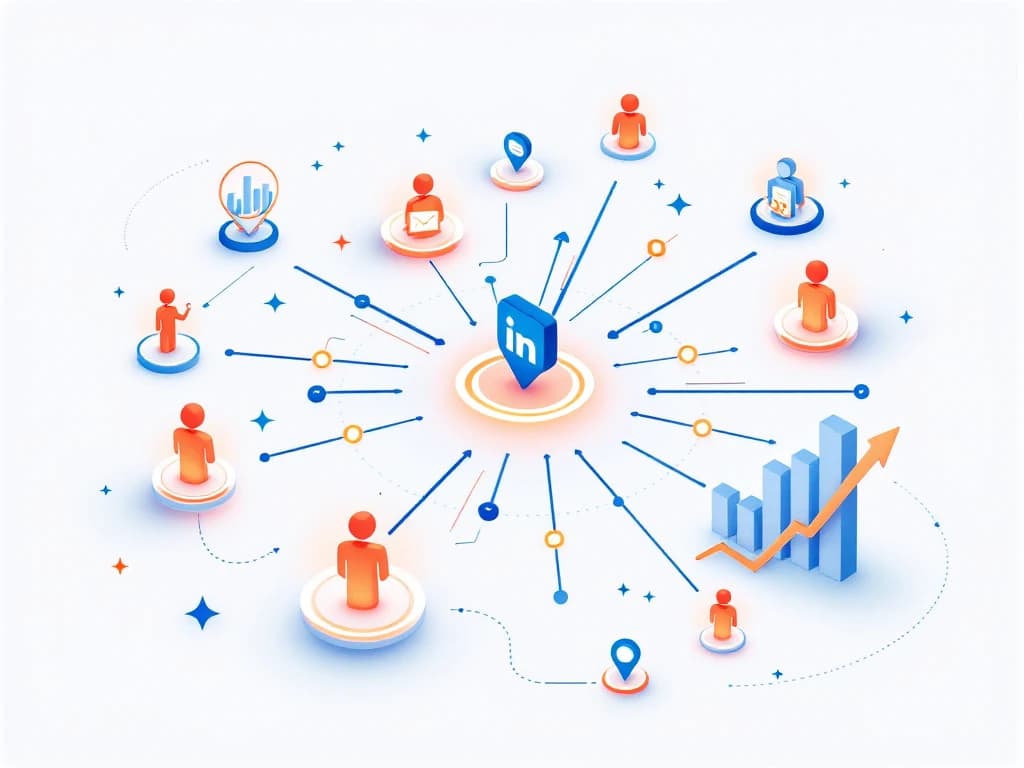
Scaling LinkedIn lead generation across multiple sales teams requires coordinated systems that prevent prospect overlap while maintaining consistent messaging and quality. You need clear territorial divisions, shared lead databases, standardised processes, and unified tracking systems. The key is balancing automation efficiency with authentic relationship building while ensuring all teams work together rather than competing against each other.
What does it mean to scale LinkedIn lead generation across teams?
Scaling LinkedIn lead generation across teams means systematically expanding your outreach capacity while maintaining coordination, standardisation, and quality control. It involves multiple sales professionals working simultaneously on LinkedIn without conflicting with each other's efforts or confusing prospects.
This approach transforms LinkedIn from individual networking into a coordinated business development system. Instead of each salesperson operating independently, your teams follow unified strategies that amplify results while protecting your company's professional reputation.
The coordination aspect ensures team members don't contact the same prospects or send conflicting messages. Standardisation means everyone follows proven messaging templates and engagement strategies that reflect your brand voice consistently. The systematic approach involves documented processes, clear responsibilities, and measurable outcomes that improve over time.
Successful scaling also requires territory management, where each team member has defined prospect segments based on geography, industry, company size, or buyer personas. This prevents internal competition while ensuring comprehensive market coverage.
Why do most companies struggle with multi-team LinkedIn coordination?
Most companies struggle because they lack centralised systems to manage multiple team members operating on the same platform simultaneously. Without proper coordination, teams create prospect confusion, duplicate outreach efforts, and inconsistent brand messaging that damages relationships and wastes resources.
The biggest challenge is prospect overlap and confusion. When multiple salespeople from the same company contact identical prospects, it appears unprofessional and suggests poor internal organisation. Prospects often respond negatively or lose trust in companies that can't coordinate their own sales efforts.
Message inconsistency creates another major problem. Different team members often develop their own approaches, resulting in varied brand voices and conflicting value propositions. This inconsistency confuses prospects about your company's actual offerings and positioning.
Territory conflicts arise when salespeople compete for the same accounts without clear boundaries. This internal competition reduces overall effectiveness while creating workplace tension and reducing team collaboration.
Most companies also struggle with unified tracking and reporting. Without shared systems, managers can't see comprehensive performance data, identify successful strategies, or coordinate team efforts effectively. This lack of visibility makes optimisation nearly impossible.
How do you organize multiple sales teams for LinkedIn success?
Organize teams by creating clear territorial divisions, defined roles, and structured communication protocols that eliminate conflicts while maximising market coverage. Each team member needs specific responsibilities, prospect segments, and accountability measures that support collective success rather than individual competition.
Start with territorial segmentation based on logical divisions like geography, industry verticals, company size, or buyer personas. This ensures comprehensive market coverage without overlap while allowing team members to develop expertise in their assigned segments.
Define specific roles within your LinkedIn strategy. Some team members might focus on initial outreach and connection building, while others handle relationship nurturing or closing conversations. This specialisation improves efficiency and allows people to develop specific skills.
Establish communication protocols that keep everyone informed about prospect interactions, successful strategies, and market feedback. Regular team meetings, shared databases, and clear escalation procedures prevent conflicts and enable knowledge sharing.
Create accountability measures that reward collaboration over individual competition. Team-based targets, shared commissions, and collective performance metrics encourage cooperation while maintaining individual motivation.
Implement approval workflows for high-value prospects or strategic accounts. This ensures your most important opportunities receive coordinated attention rather than competing approaches from multiple team members.
What systems and processes make LinkedIn scaling actually work?
Successful LinkedIn scaling requires integrated CRM systems, shared lead databases, standardised messaging templates, and unified tracking that coordinates all team activities. These systems prevent conflicts while maintaining quality control and enabling performance optimisation across your entire sales organisation.
A centralised lead management system serves as the foundation for coordinated efforts. This database tracks all prospect interactions, assigns ownership, and prevents duplicate outreach while providing visibility into team performance and pipeline development.
CRM integration ensures LinkedIn activities connect to your broader sales process. This integration automatically updates prospect records, tracks engagement history, and enables seamless handoffs between team members based on prospect behaviour and qualification status.
Standardised messaging templates maintain brand consistency while allowing personalisation. These templates should cover different prospect types, conversation stages, and response scenarios while providing flexibility for individual customisation.
Quality control measures include message approval processes, regular performance reviews, and ongoing training programmes. These measures ensure all team members maintain professional standards while continuously improving their LinkedIn effectiveness.
Performance monitoring systems track individual and team metrics like connection rates, response rates, meeting bookings, and pipeline generation. This data enables optimisation while identifying successful strategies that can be replicated across the entire team.
How can AI-powered tools help scale your LinkedIn operations?
AI-powered platforms coordinate multiple sales teams by preventing prospect overlap, maintaining personalisation at scale, and providing unified reporting while operating within LinkedIn's guidelines. These tools enable authentic engagement approaches that build genuine relationships rather than appearing automated or impersonal.
Modern AI systems excel at conversation automation through specialised functions. They can generate complete outreach campaigns from your website content, personalise messages based on LinkedIn profile analysis, and classify responses to determine appropriate follow-up actions without human intervention.
We've developed an approach that builds parasocial relationships where prospects develop familiarity with your team members before direct sales conversations begin. This methodology transforms cold outreach into warm, authentic interactions that feel natural rather than automated.
Our AI-powered lead scoring system evaluates prospects across multiple dimensions including seniority levels, industry experience, budget authority, and role clarity. This multi-dimensional approach ensures your teams focus on qualified opportunities rather than volume-based outreach.
The platform includes sophisticated territory management that prevents team conflicts while enabling massive scale. Teams can build qualified networks in the thousands while maintaining relationship authenticity through strategic human involvement where it matters most.
Advanced features include intelligent content distribution that enables marketing teams to create centralised content while individual team members maintain personal branding. This approach ensures consistent organisational messaging while preserving authentic employee engagement.
Frequently asked questions
How do I prevent my sales team from accidentally contacting the same prospects?
Implement a centralized lead database with real-time prospect assignment and claim features. Use CRM systems that automatically flag when someone attempts to contact an already-assigned prospect, and establish clear protocols for checking prospect ownership before any outreach begins. Regular team syncs and shared prospect lists help maintain visibility across all ongoing conversations.
What's the best way to divide territories when my team targets similar industries?
Create multi-layered segmentation using company size, geographic regions, and specific buyer personas rather than just industry verticals. For example, assign one team member to enterprise accounts in healthcare while another handles mid-market healthcare companies. You can also divide by functional roles (targeting CFOs vs. CTOs) to reduce overlap while maintaining industry expertise.
How can I maintain message quality when scaling across multiple team members?
Develop a library of approved message templates for different scenarios, prospect types, and conversation stages, but require personalization for each outreach. Implement a peer review system where team members check each other's messages before sending, and conduct regular training sessions to share successful messaging approaches and address common mistakes.
What metrics should I track to measure multi-team LinkedIn success?
Focus on both individual and team-wide metrics including connection acceptance rates, response rates, meeting booking rates, and pipeline generated per team member. Track prospect progression through your sales funnel and measure team collaboration indicators like prospect handoff success rates and shared account win rates. Monthly territory coverage analysis helps ensure no market segments are being neglected.
How do I handle prospects who mention being contacted by multiple team members?
Create an immediate escalation protocol where the prospect is transferred to your most senior team member or sales manager for relationship recovery. Apologize professionally, explain your internal coordination improvements, and offer additional value to rebuild trust. Use these incidents as training opportunities to strengthen your coordination systems and prevent future occurrences.
Should I use LinkedIn automation tools when coordinating multiple sales teams?
Choose automation tools that prioritize coordination and compliance over volume, focusing on platforms that prevent team overlap and maintain authentic engagement. Avoid tools that send generic mass messages, and instead use AI-powered systems that enable personalization while providing team coordination features. Always ensure your chosen tools comply with LinkedIn's terms of service to protect all team accounts.
How long does it typically take to see results from a coordinated multi-team LinkedIn strategy?
Expect to see initial coordination improvements within 2-4 weeks as systems are implemented and conflicts reduce. Meaningful pipeline generation typically begins within 6-8 weeks once teams establish their territories and refine their messaging approaches. Full optimization and consistent results usually develop over 3-6 months as teams build expertise in their assigned segments and refine their collaborative processes.