How to implement AI lead qualification systems?
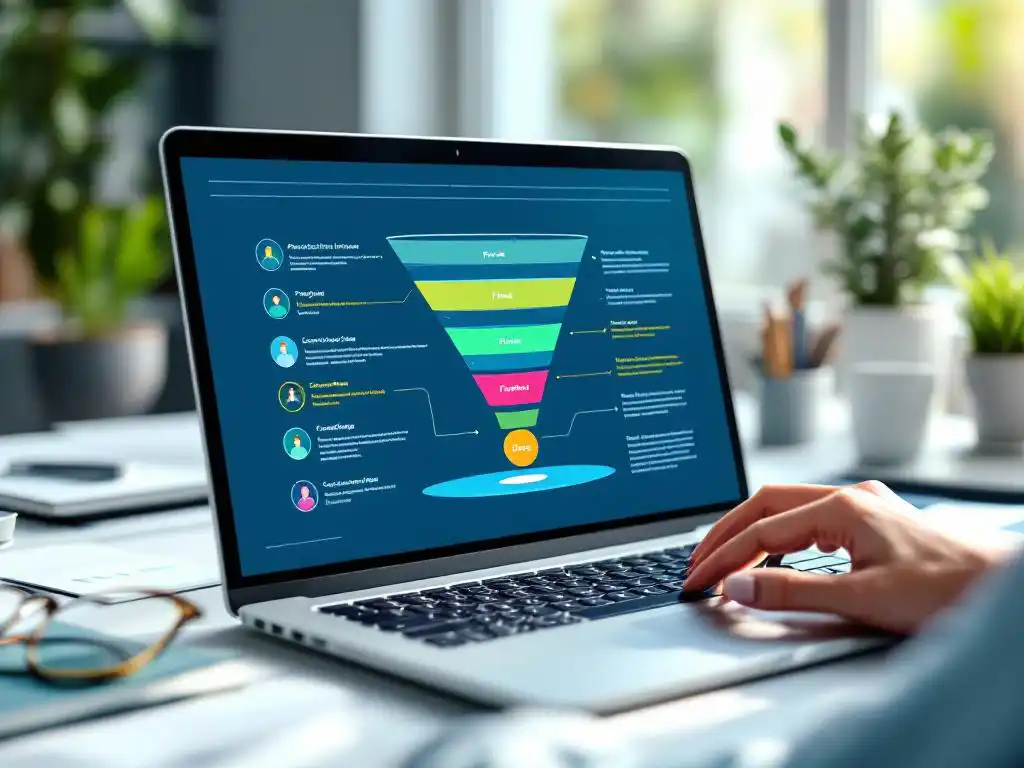
AI lead qualification systems use machine learning to automatically score and prioritise prospects based on their likelihood to convert. These systems analyse prospect behaviour, demographics, and engagement patterns to identify high-value opportunities. By implementing AI lead qualification, B2B sales teams can focus their efforts on the most promising prospects while reducing manual qualification work.
What is AI lead qualification and why does it matter for B2B sales?
AI lead qualification is an automated system that uses artificial intelligence to evaluate and score potential prospects based on their likelihood to become customers. The system analyses multiple data points, including demographic information, behavioural patterns, engagement history, and interaction preferences, to assign qualification scores.
This technology transforms traditional sales processes by eliminating the time-intensive manual research that sales teams typically perform. Instead of spending hours researching individual prospects, AI systems can evaluate hundreds of leads simultaneously using consistent criteria and sophisticated algorithms.
The core components of AI lead qualification include data collection mechanisms, scoring algorithms, and integration capabilities with existing CRM systems. These systems continuously learn from successful conversions, refining their qualification criteria to improve accuracy over time.
For B2B sales teams, this means dramatically improved efficiency in prospect identification. Sales representatives can focus their energy on engaging qualified prospects rather than sorting through unqualified leads, resulting in higher conversion rates and more productive sales activities.
How does AI lead qualification actually work in practice?
AI lead qualification systems operate through a multi-layered process that begins with comprehensive data collection and ends with actionable prospect scoring. The system gathers information from various touchpoints, including website behaviour, social media activity, email engagement, and demographic data.
The technical process starts with data aggregation from multiple sources. This includes CRM data, website analytics, social media interactions, email responses, and third-party databases. The system then applies machine learning algorithms to identify patterns that correlate with successful conversions.
Behavioural analysis forms a crucial component of this process. The system tracks how prospects interact with content, which pages they visit, how long they spend engaging with materials, and their response patterns to outreach attempts. This behavioural data provides insights into genuine interest levels and buying intent.
The scoring algorithms evaluate prospects across multiple dimensions, including seniority levels, industry experience, budget authority, and role clarity. Advanced systems can also incorporate business-specific preferences such as company size requirements, geographic targeting, and industry focus areas.
Integration with existing sales workflows ensures that qualified leads flow seamlessly into established processes. The system can automatically route high-scoring prospects to appropriate sales representatives and trigger personalised follow-up sequences based on qualification scores.
What are the essential components of an effective AI lead qualification system?
An effective AI lead qualification system requires five essential components working together seamlessly. These include robust data sources, intelligent scoring criteria, machine learning models, integration capabilities, and quality assurance measures.
Data sources form the foundation of any qualification system. This includes first-party data from your CRM, website analytics, and email marketing platforms. Third-party data sources provide additional context about company information, industry trends, and market conditions.
Scoring criteria must align with your specific business model and sales objectives. This involves defining what constitutes a qualified lead for your organisation, including factors like company size, budget authority, decision-making timeline, and the specific pain points your solution addresses.
Machine learning models continuously improve qualification accuracy by learning from successful and unsuccessful conversions. These models identify subtle patterns in prospect behaviour that human analysis might miss, refining scoring algorithms based on real outcomes.
Integration requirements encompass connections with existing CRM systems, marketing automation platforms, and sales tools. Seamless integration ensures that qualification insights flow naturally into established workflows without disrupting existing processes.
Quality assurance measures include regular model validation, scoring accuracy monitoring, and feedback loops from sales teams. These measures ensure that the system maintains high qualification standards and adapts to changing market conditions.
How do you set up lead scoring criteria that actually predict sales success?
Setting up predictive lead scoring criteria requires analysing your historical sales data to identify characteristics that correlate with successful conversions. Start by examining your best customers and identifying common attributes across demographics, behaviour patterns, and engagement preferences.
Establish qualification parameters based on concrete success indicators rather than assumptions. This includes factors like specific job titles that typically have purchasing authority, company sizes that align with your solution, and industries where you have achieved consistent success.
Create a weighted scoring system that assigns different values to various qualification factors. For example, budget authority might carry more weight than company size, or recent engagement behaviour might be more important than demographic factors.
Behavioural scoring criteria should focus on actions that indicate genuine buying intent. This includes content consumption patterns, website engagement depth, email response rates, and social media interaction levels. Recent activity typically carries more weight than historical behaviour.
Implement threshold levels that determine when prospects move from one qualification stage to another. These thresholds should align with your sales team's capacity and ensure that only genuinely qualified prospects receive immediate attention.
Regular validation against actual sales outcomes ensures your scoring criteria remain predictive. Monthly reviews of conversion rates by score ranges help identify when criteria need adjustment to maintain accuracy.
What common mistakes should you avoid when implementing AI lead qualification?
The most critical mistake in AI lead qualification implementation is proceeding with poor data quality. Systems trained on incomplete, outdated, or inaccurate data will produce unreliable qualification scores that mislead sales teams and waste resources.
Overly complex scoring models represent another frequent pitfall. Simple, focused criteria often outperform complicated algorithms that attempt to account for too many variables. Start with basic qualification factors and add complexity gradually based on performance data.
Lack of sales team alignment creates significant implementation challenges. When sales representatives do not understand or trust the qualification system, they may ignore qualified leads or waste time on unqualified prospects, negating the system's benefits.
Insufficient testing before full deployment can lead to systematic errors that affect entire lead qualification processes. Implement pilot programmes with small prospect segments to validate accuracy before scaling to full operations.
Inadequate ongoing optimisation means missing opportunities to improve qualification accuracy. AI systems require continuous refinement based on actual conversion outcomes and changing market conditions. Without regular updates, qualification criteria become less predictive over time.
Setting unrealistic expectations about immediate results can lead to premature system abandonment. AI lead qualification typically requires several months of data collection and refinement before achieving optimal accuracy levels.
How Famelab helps with AI lead qualification implementation
Famelab's LinkedIn automation platform addresses AI lead qualification challenges through a sophisticated multi-dimensional scoring algorithm that evaluates prospects across strategic dimensions, including seniority levels, industry experience, profile consistency, and budget authority likelihood.
Our system incorporates business-specific preferences to ensure qualification accuracy:
- Target customisation based on your specific market requirements and sales strategy
- Industry-specific priorities for specialised markets and niche sectors
- Company size preferences aligned with your ideal customer profile
- Geographic targeting for regional focus and market penetration
- Role clarity indicators to identify genuine decision-making authority
The platform's AI-powered conversation automation includes intelligent response classification that categorises prospect interactions into meeting requests, information requests, follow-up scheduling, and referral opportunities. This ensures that qualified prospects receive appropriate engagement while maintaining authentic relationship development.
Our qualification system enables strategic resource allocation by focusing human effort where it matters most, allowing small teams to achieve enterprise-level results through AI amplification while preserving relationship authenticity.
Ready to implement AI lead qualification that actually predicts sales success? Contact our team to discover how our intelligent LinkedIn automation can transform your prospect qualification process, or explore our comprehensive platform at Famelab.io to see AI sales qualification in action.
Frequently asked questions
How long does it typically take to see results from AI lead qualification implementation?
Most businesses see initial improvements in lead quality within 4-6 weeks, but optimal accuracy typically requires 3-4 months of data collection and model refinement. The system needs time to learn from your specific conversion patterns and adjust scoring criteria accordingly. Early results may show 20-30% improvement in qualification accuracy, with mature systems achieving 60-80% improvement over manual processes.
What's the minimum amount of historical data needed to train an AI lead qualification system effectively?
You'll need at least 1,000 historical leads with known outcomes (converted/not converted) to establish baseline patterns, though 3,000+ leads provide much better training data. The system also requires at least 6 months of interaction data to identify meaningful behavioural patterns. If you lack sufficient historical data, start with rule-based scoring and gradually transition to AI as you accumulate more conversion data.
How do you handle leads that score highly but don't convert, or low-scoring leads that unexpectedly convert?
These 'false positives' and 'false negatives' are valuable learning opportunities for system refinement. Conduct monthly reviews to analyse why these misclassifications occurred - often revealing new qualification criteria or market changes. Feed this data back into your model to improve accuracy. Maintain a feedback loop where sales teams can flag unexpected outcomes, allowing the AI to continuously learn and adapt its scoring algorithms.
Can AI lead qualification work effectively for small B2B companies with limited data?
Yes, but the approach differs from enterprise implementations. Small companies should start with simpler rule-based scoring using demographic and firmographic data, then gradually incorporate behavioural signals as data accumulates. Focus on 3-5 key qualification criteria rather than complex algorithms. Consider using third-party data enrichment services to supplement limited first-party data and accelerate the learning process.
What happens when your ideal customer profile changes - how quickly can AI qualification systems adapt?
Modern AI systems can begin adapting within 2-4 weeks of receiving new conversion data, but full recalibration typically takes 6-8 weeks. The key is immediately updating your target criteria and closely monitoring qualification accuracy during the transition period. You may need to temporarily adjust scoring thresholds and provide additional manual feedback to help the system learn new patterns more quickly.
How do you measure the ROI of implementing AI lead qualification?
Track key metrics including qualification accuracy rates, time saved on manual research, conversion rate improvements, and sales cycle reduction. Calculate cost savings by measuring hours previously spent on unqualified leads versus current qualification efficiency. Most companies see 2-4x ROI within the first year through improved sales productivity and higher conversion rates. Monitor lead-to-opportunity conversion rates and average deal size to measure broader impact on sales performance.
What integration challenges should I expect when connecting AI qualification with existing CRM and sales tools?
Common challenges include data format inconsistencies, real-time sync delays, and workflow disruptions during initial setup. Plan for 2-4 weeks of integration testing and ensure your technical team understands API requirements. Most modern platforms offer pre-built connectors for popular CRMs like Salesforce and HubSpot. Establish clear data governance rules and backup processes before going live to prevent data loss during integration.