How to capture leads on LinkedIn?
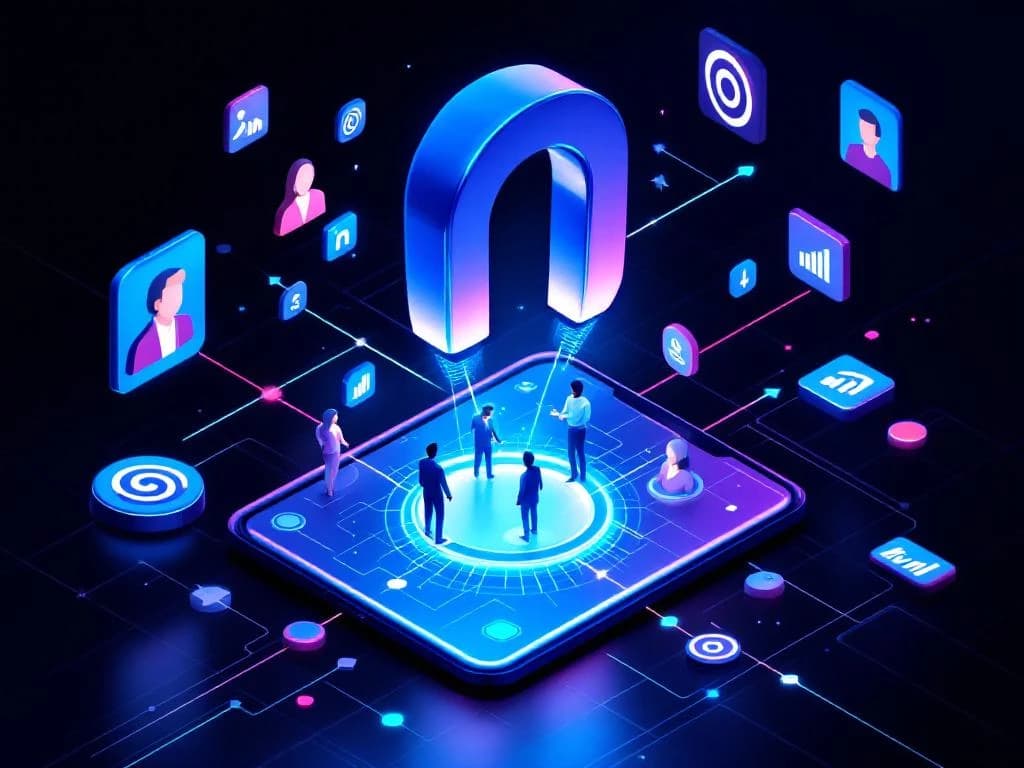
Capturing leads on LinkedIn means identifying potential business prospects, connecting with them strategically, and nurturing those connections into qualified opportunities for your business. It's about transforming your LinkedIn network from a collection of random connections into a pipeline of potential clients who are genuinely interested in what you offer. This process involves optimizing your profile to attract the right audience, sharing valuable content that demonstrates your expertise, and engaging with prospects in meaningful ways that build trust over time.
What exactly does capturing leads on LinkedIn mean?
LinkedIn lead capture is the systematic process of finding, engaging with, and converting potential business prospects into qualified opportunities through the platform's professional network. Unlike traditional networking where you might exchange business cards at events, LinkedIn lead generation allows you to identify and connect with decision-makers who match your ideal customer profile, regardless of geographical boundaries.
The process typically involves three key stages: identification, connection, and conversion. During identification, you search for prospects using LinkedIn's advanced filters to find people based on job title, industry, company size, and location. The connection phase involves sending personalized connection requests and building initial rapport. Finally, conversion happens when you nurture these connections through valuable interactions until they're ready to explore your solutions.
LinkedIn leads fall into three distinct categories that require different approaches:
- Cold leads: People who don't know you or your business yet but match your target audience criteria
- Warm leads: Connections who have engaged with your content or shown interest in your industry
- Hot leads: Prospects who have directly expressed interest in your services or requested more information
What sets LinkedIn lead capture apart from traditional networking is its scalability and precision. You can research prospects before reaching out, understand their professional challenges through their activity, and engage with them when they're most receptive. This targeted approach means you're not just collecting contacts, you're building relationships with people who are likely to benefit from your expertise.
How do you optimize your LinkedIn profile to attract leads?
Your LinkedIn profile serves as your digital storefront, and optimizing it properly can transform passive visitors into active leads. Start with your headline, which should clearly communicate the value you provide rather than just listing your job title. Instead of "Marketing Manager at XYZ Company," try "Helping B2B SaaS Companies Generate 3x More Qualified Leads Through Strategic Content Marketing."
Your summary section deserves special attention as it's often the deciding factor for whether someone reaches out. Write it from your prospect's perspective, addressing their challenges and explaining how you solve them. Use this formula: identify the problem, agitate it slightly, then present your solution. Include specific examples of results you've achieved without making unverifiable claims.
The featured section is your opportunity to showcase your expertise visually. Add:
- Links to your most valuable resources or guides
- Posts that received high engagement
- Media that demonstrates your work or thought leadership
Strategic keyword placement throughout your profile helps the right people find you. Incorporate industry-specific terms naturally in your headline, summary, and experience sections. Think about what your ideal clients might search for when looking for solutions you provide.
Social proof plays a crucial role in building credibility. Request recommendations from satisfied clients and colleagues who can speak to specific results you've delivered. Endorsements for relevant skills also matter, particularly for your top three skills that align with your target audience's needs. Remember, you're positioning yourself as a solution provider, not just another service vendor competing on price.
What are the most effective LinkedIn content strategies for lead generation?
Creating content that generates leads on LinkedIn requires understanding what your target audience values and delivering it consistently. Educational posts that solve specific problems tend to perform exceptionally well because they demonstrate your expertise while providing immediate value. Share actionable tips, industry insights, and practical frameworks that your audience can implement right away.
The most effective content types for lead generation include:
- How-to posts that address common challenges in your industry
- Industry trend analyses that position you as a thought leader
- Behind-the-scenes content that humanizes your brand
- Client success stories (without specific metrics you can't verify)
- Contrarian viewpoints that spark meaningful discussions
Posting frequency matters less than consistency and quality. Aim for 2-3 high-quality posts per week rather than daily mediocre updates. Each post should have a clear purpose: educate, inspire, or start a conversation. Use LinkedIn's native features strategically - polls can boost engagement and provide market insights, while LinkedIn Live sessions allow real-time interaction with your audience.
LinkedIn newsletters deserve special mention as a powerful lead generation tool. They allow you to build a subscriber base of interested prospects who receive your content directly in their inbox. Choose a specific topic relevant to your audience's challenges and deliver consistent value on a regular schedule.
Engagement tactics can multiply your content's reach. Respond thoughtfully to every comment, ask questions that encourage discussion, and engage genuinely with your network's content. This reciprocal engagement not only increases your visibility but also builds relationships that can convert into business opportunities.
How can automation tools help you capture more LinkedIn leads?
AI-driven automation tools have revolutionized how businesses approach LinkedIn lead generation by enabling personalized outreach at scale while maintaining authenticity. These tools can handle time-consuming tasks like sending connection requests, following up with messages, and tracking engagement, freeing you to focus on building meaningful relationships with qualified prospects.
Modern automation capabilities include intelligent lead scoring that identifies your hottest prospects based on their engagement patterns and profile characteristics. Automated connection requests can be personalized using prospect data, making each outreach feel individual rather than mass-produced. Message sequences can be triggered based on specific actions, ensuring timely follow-up without manual intervention.
The concept of parasocial selling represents a breakthrough in automation methodology. Instead of immediately pitching to new connections, this approach involves AI agents that strategically engage with prospects' content over time, building familiarity before direct outreach. This mirrors how real relationships develop, where repeated positive interactions create trust and recognition.
Key automation features that enhance lead capture include:
- Smart targeting based on ideal customer profiles
- Personalized messaging that adapts to each prospect's background
- Automated follow-up sequences that nurture leads over time
- Analytics dashboards that track conversion metrics
- Integration with CRM systems for seamless lead management
The balance between automation and authenticity is crucial. While automation handles repetitive tasks, human insight should guide strategy and handle meaningful conversations. This hybrid approach ensures you can scale your outreach efforts without sacrificing the personal touch that builds trust and converts prospects into clients.
Key takeaways for successful LinkedIn lead capture
Successful LinkedIn lead capture combines three essential elements: an optimized profile that attracts your ideal prospects, valuable content that demonstrates your expertise, and smart automation that scales your efforts without losing authenticity. Each component supports the others - your profile converts visitors attracted by your content, while automation ensures consistent engagement across your growing network.
The most important strategies to implement include crafting a value-focused headline and summary, sharing educational content that solves real problems, and using LinkedIn's native features to boost engagement. Remember that LinkedIn lead generation is about building relationships, not just collecting connections. Focus on quality over quantity in both your network and your outreach efforts.
Measuring success requires tracking the right metrics. Monitor your profile views, connection acceptance rates, message response rates, and most importantly, how many conversations convert into business opportunities. Use these insights to continuously refine your approach, testing different messaging, content types, and outreach strategies.
As you scale your LinkedIn lead generation efforts, consider how automation tools can amplify your results. We've seen firsthand how the right technology can transform LinkedIn from a time-consuming networking platform into a predictable source of qualified leads. Our client success stories demonstrate how combining human expertise with AI-driven automation creates sustainable growth.
Ready to transform your LinkedIn presence into a lead generation machine? Whether you're looking to optimize your current efforts or explore how automation can accelerate your results, the key is starting with a clear strategy aligned with your business goals. Learn more about modern LinkedIn automation approaches and how they can work for your business at Famelab.io.